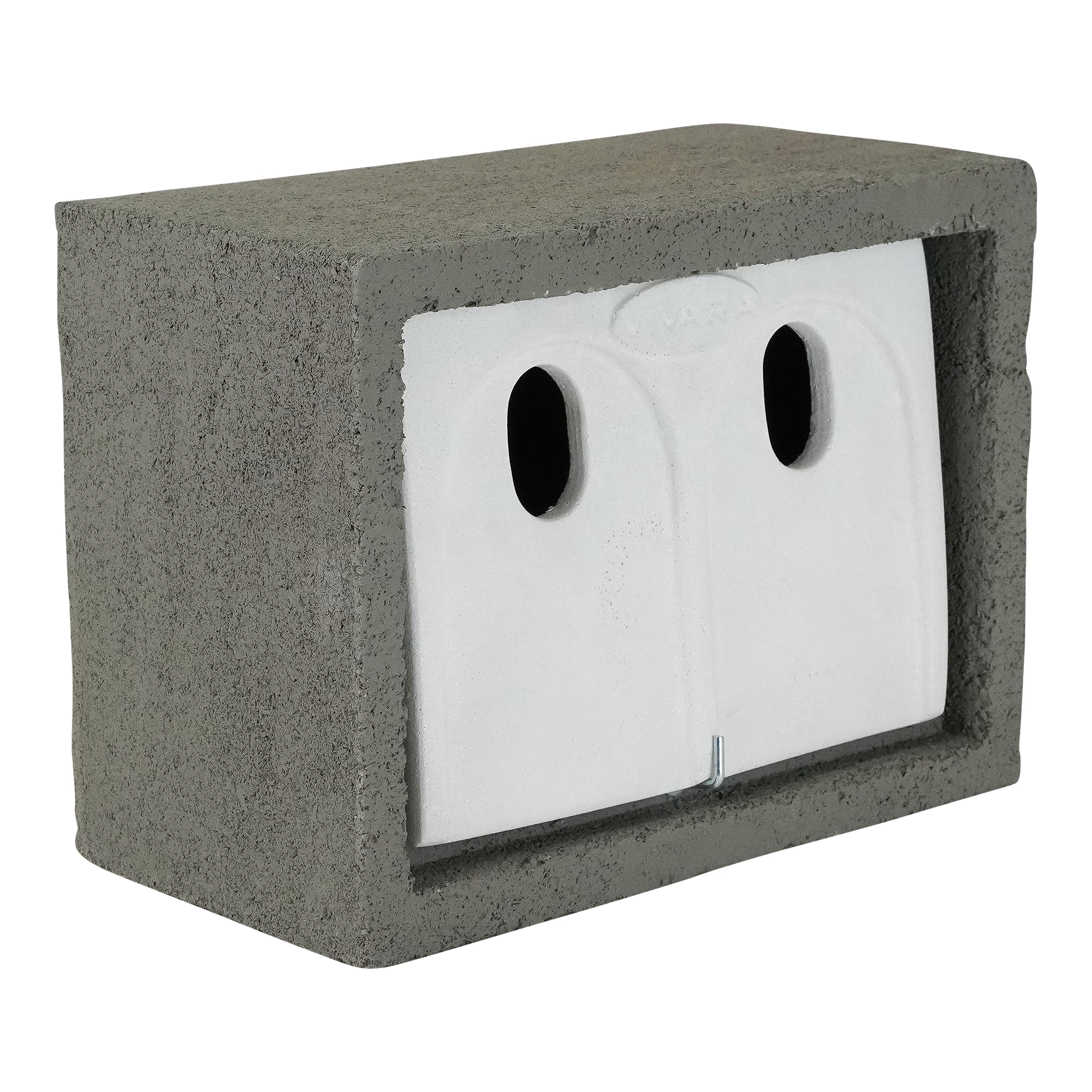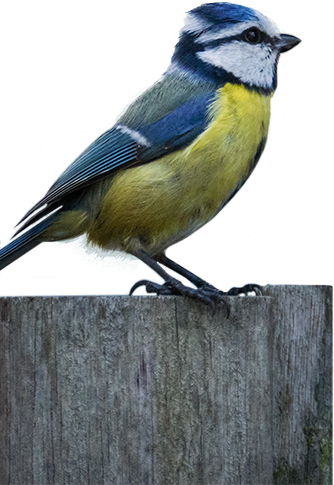








The kingfisher is one of the most colorful birds in the Netherlands, but it is struggling. Good breeding sites along the water are rapidly disappearing due to changes in water management and shore maintenance. With the kingfisher wall from Vivara Pro, you provide this species with a safe place to nest again. The wall mimics a natural steep bank and offers exactly what the kingfisher needs to breed. Our NK IJ 01 kingfisher nest box is placed behind this wall
Why a kingfisher wall helps
Kingfishers dig their nesting tunnels in steep, bare banks. They also use sturdy root clumps along the water to breed. Such places have become rare due to human intervention. Often there is enough food, but a suitable breeding site is lacking.
The kingfisher wall solves this. The wall acts as an artificial steep bank and provides extra breeding opportunities in places where natural steep banks are absent. This way you help the kingfisher recover.
Advantages of the kingfisher wall
The kingfisher wall is made of wood concrete: a strong material that can withstand weather and lasts for years. The nesting holes are pre-formed with the correct diameter and depth, so the kingfisher can finish its nesting tunnel without it collapsing.
- Prevents the nesting tunnel from collapsing, a known risk with natural banks.
- Protects the brood from predators.
- Requires little maintenance and is ready for use immediately.
- Provides a stable, safe breeding site where nature falls short.
- Increases the chance of a successful brood compared to an unprotected bank.
An artificial wall is more stable than a natural bank, so more young often survive.
The kingfisher in brief
The kingfisher (Alcedo atthis) is immediately recognizable by its blue-green back and orange-brown belly. It is about 16 to 17.5 centimeters tall and weighs between 35 and 55 grams.
The kingfisher eats fish and is therefore strongly tied to water. From an overhanging branch, it dives rapidly into the water to catch a small fish. It prefers calm, clear water with plenty of fish. Seeing a kingfisher is usually a sign of good water quality.
Breeding behavior and breeding season
The breeding season runs approximately from late March through August. Kingfishers are cavity nesters: the pair digs a nesting tunnel together in the riverbank. This tunnel can be up to a meter deep, with a nesting chamber at the end.
A clutch usually consists of six to seven eggs. After an incubation period of 19 to 21 days, the young stay in the nest for another three to four weeks. If conditions are good, kingfishers may breed multiple times per year.
Location choice and placement
Where you place the wall largely determines its success. Choose a quiet, sheltered spot along fish-rich water.
- Make sure the wall is free from vegetation and reeds so the kingfisher can fly in unhindered.
- Place the wall preferably above or close to the water.
- A brushwood barrier or other natural barrier keeps people and animals away.
- Firmly tamp down the ground behind the wall. Use loamy sand and avoid heavy clay or loose sand.
With a well-chosen location, you significantly increase the chance that kingfishers will actually use the wall.
Maintenance of the kingfisher wall
The wall requires little maintenance. Check it in January or February, before the breeding season starts, and carefully remove moss and plants. Too much vegetation makes digging the nesting tunnel difficult.
It is also worthwhile to keep an eye on the wall. Observe from a safe distance, especially during the breeding season. If kingfishers are flying in and out of the nesting tunnel, they are breeding successfully.
Building for biodiversity with Vivara Pro
The kingfisher wall fits well with building for biodiversity. It combines spatial development with nature restoration. Vivara Pro specializes in shelters for wild animals and is happy to help you find the best solution for your project.
Do you also want to help other species around the water? Then check out our facilities for birds near water or the sand martin wall.