


Building for biodiversity
Nature-inclusive construction involves building or renovating houses or other buildings with a focus on preserving flora and fauna. It also looks at opportunities to improve biodiversity in the area.
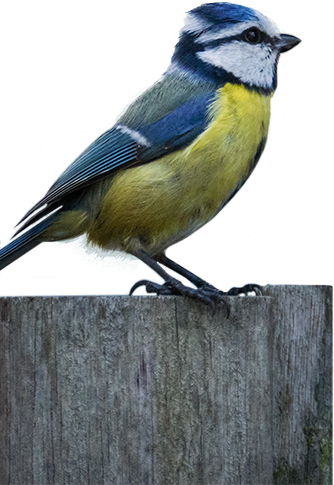
In new-build projects, renovations and urban development, nature-inclusive construction takes into account bats, bird species such as swifts, house sparrows and swallows, insects and vegetation.
Nature is incorporated into construction, so to speak. This can range from incorporating green roofs and facades to designing buildings with bespoke facilities for different species.
Nature Protection Act and building for biodiversity
The Environment Act governs the protection of nature in Europe. A significant part of this Act concerns the protection of vulnerable animal species. Thus, it is prohibited to disturb, capture or kill these animals. As a result, nature-inclusive building has become particularly important.
How can you build for biodiversity?
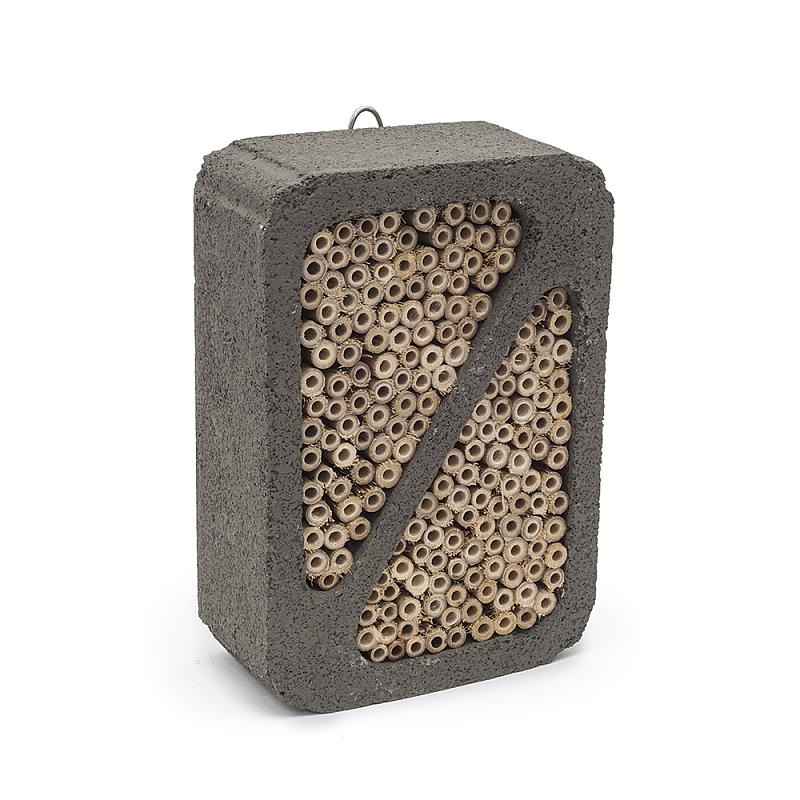
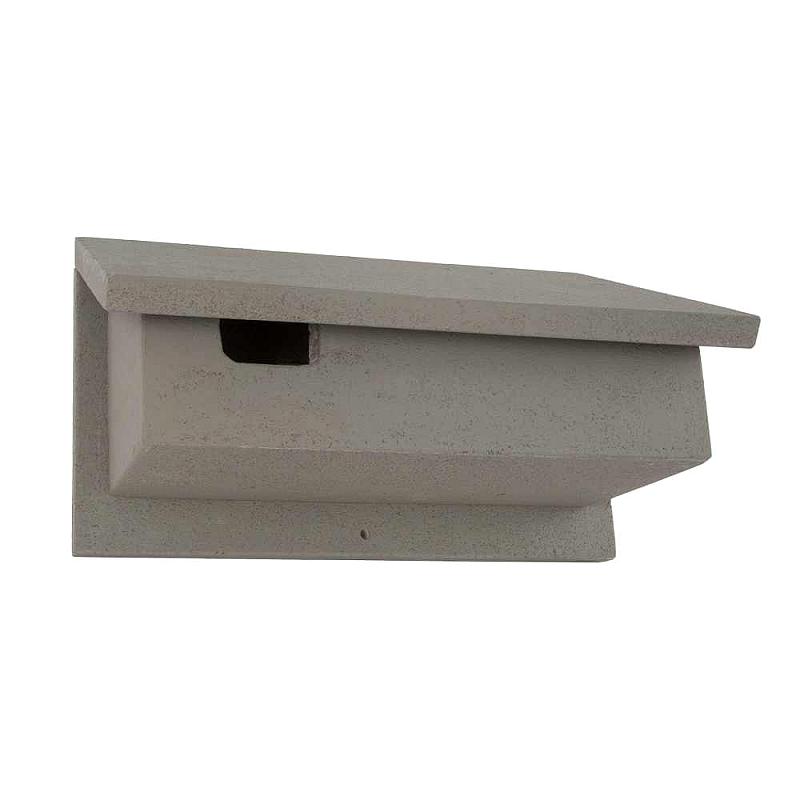
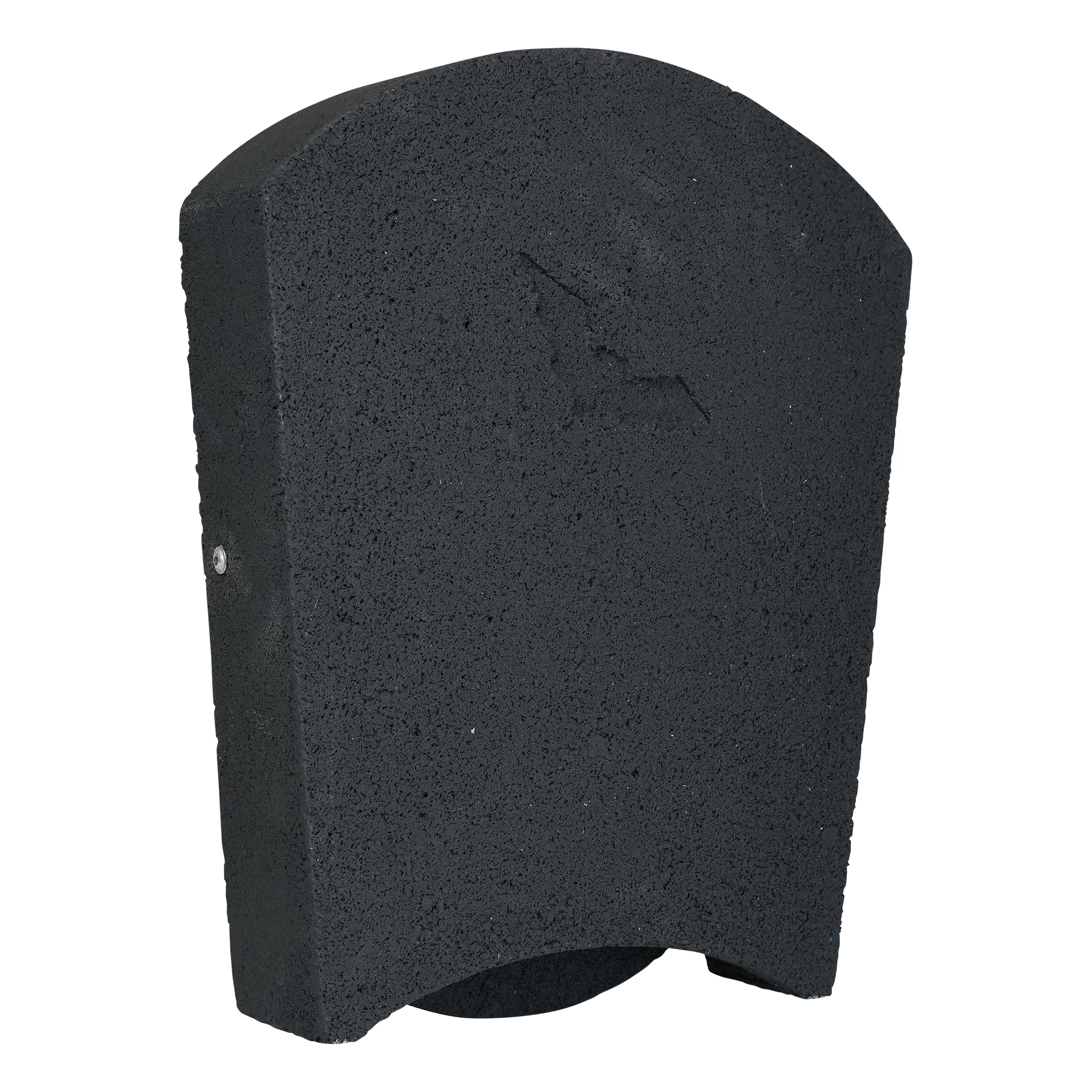
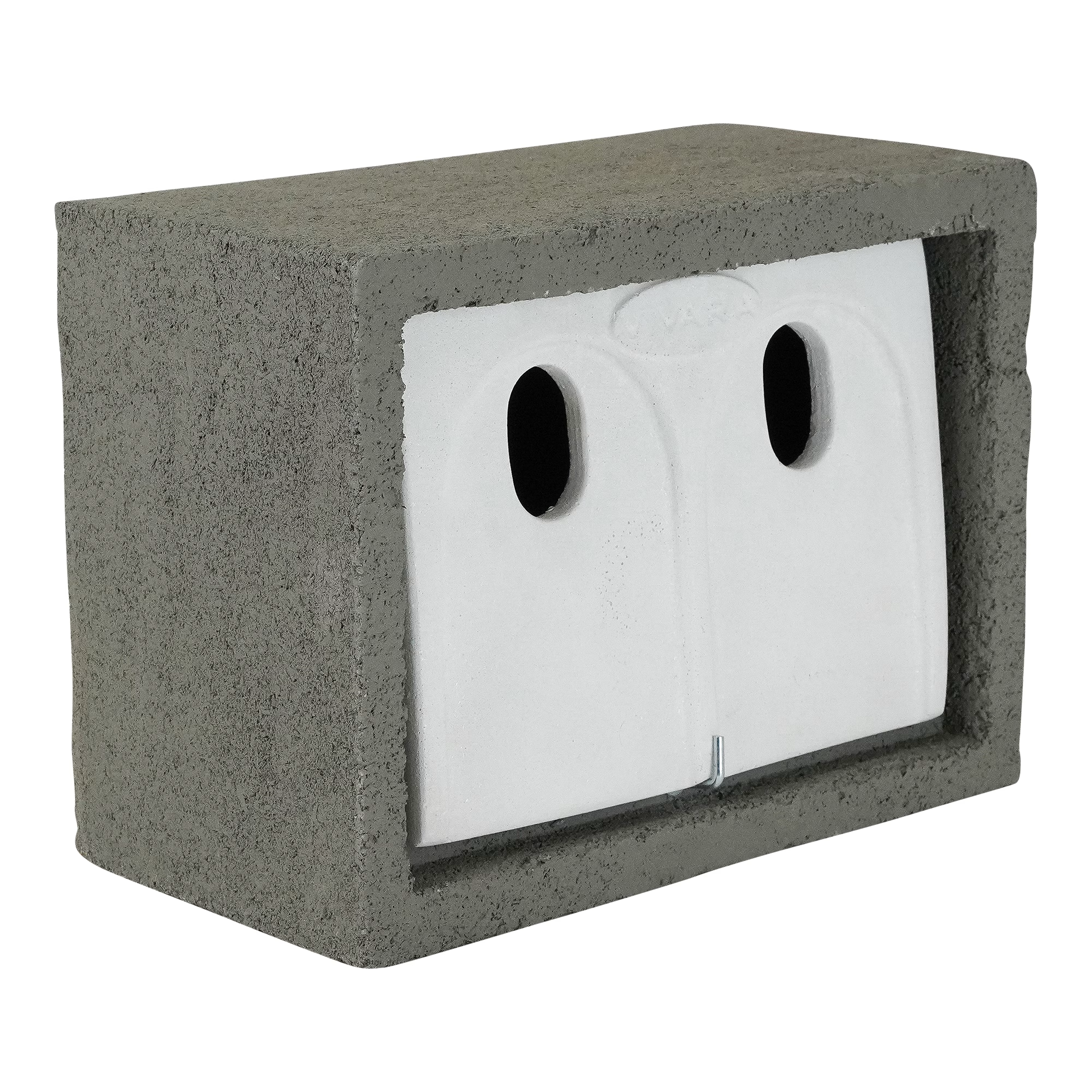
A number of animal species prefer to use our buildings for nesting, rearing their young or hibernating. There are several measures you can take to build nature-inclusively. This way, you can provide nesting and roosting sites for bats, swifts, house sparrows and insects. Both permanent and temporary facilities are possible for this purpose.
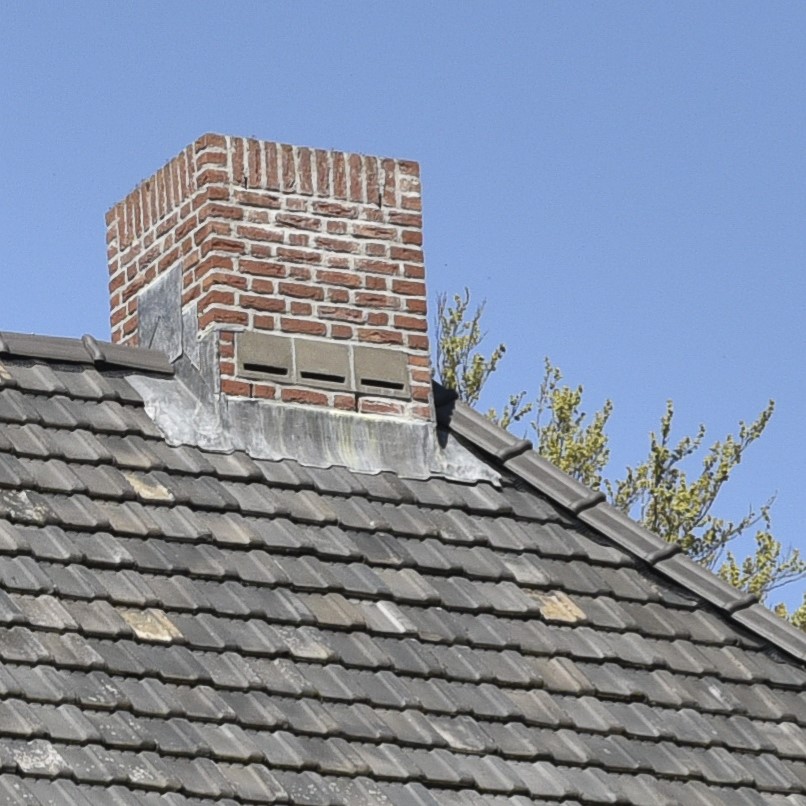
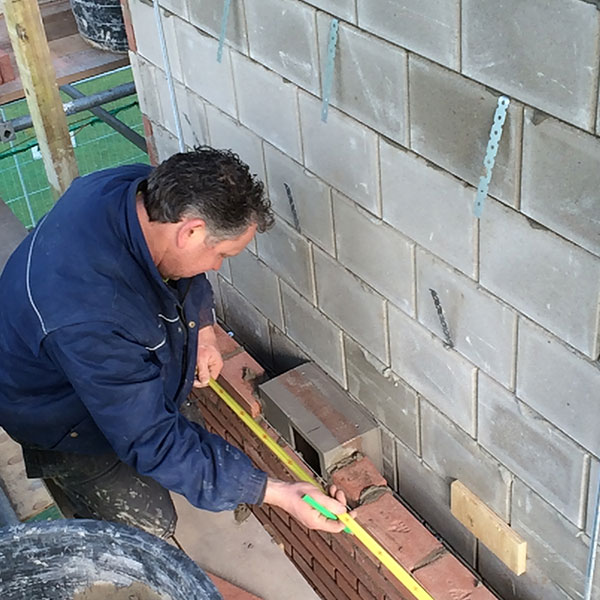
In new construction, amenities for sparrows, swifts and bats can be incorporated in a relatively simple and inexpensive way. Involve an (urban) ecologist early on for this purpose, so that facilities can already be included in the planning and design phase.
These features can also be incorporated into renovation projects. In addition to providing habitats, the creation of appropriate green spaces in public areas and gardens is of great importance in nature-inclusive construction. After all, insects, seeds and fruits provide a food source for birds, mammals and amphibians.