Description
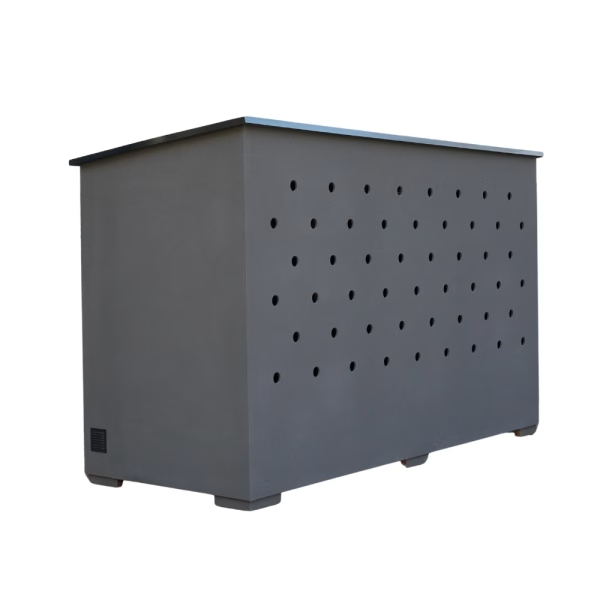
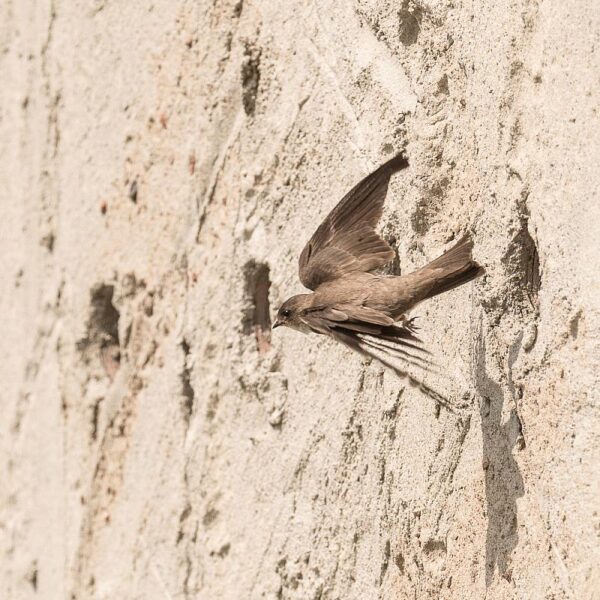
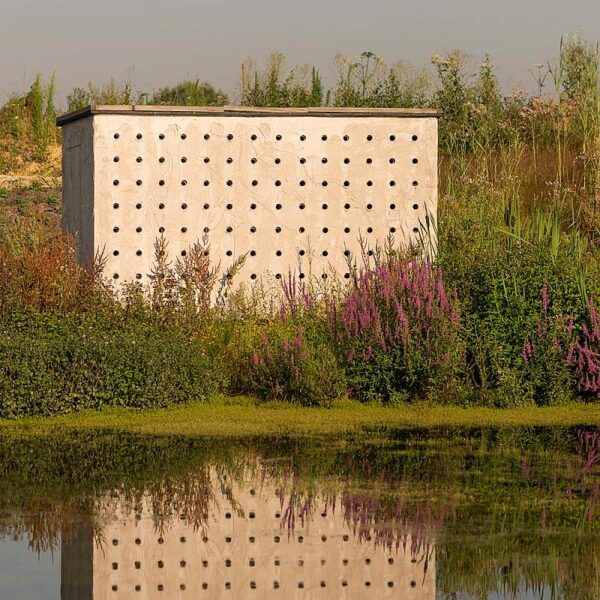
This mobile sand martin wall provides artificial nesting habitat for the sand martin.
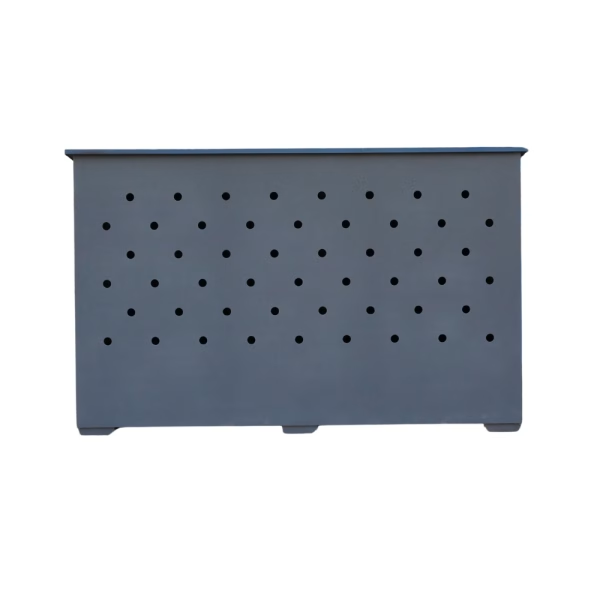
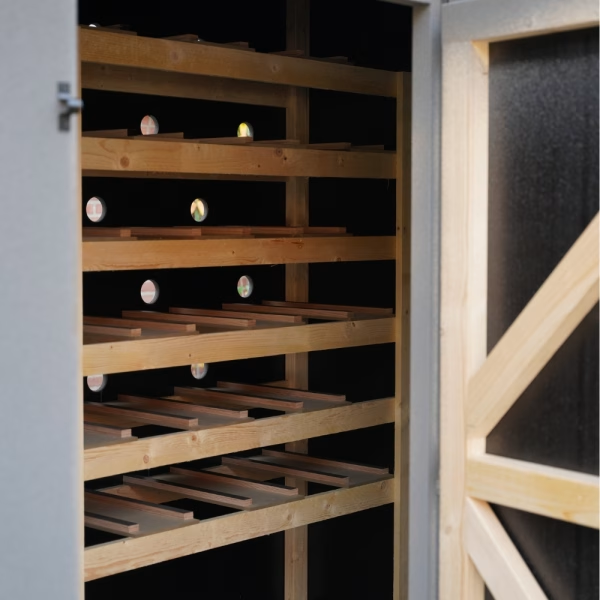
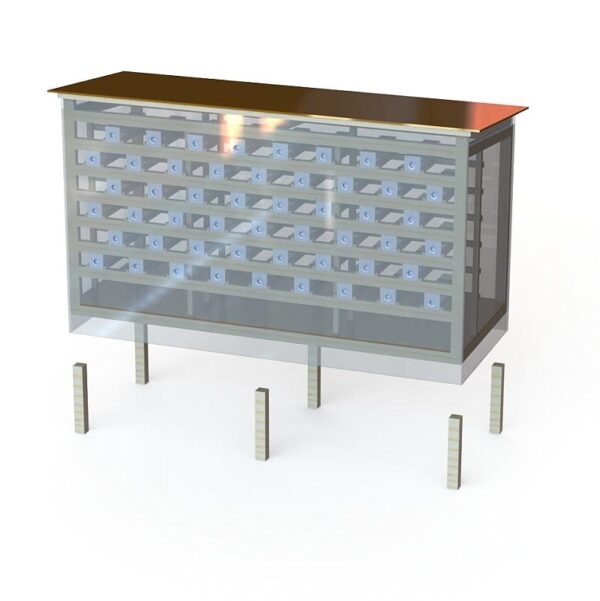
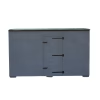
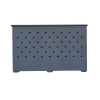
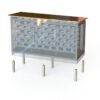
- The wall is 3.75 meters long, 1.50 meters deep and 2.30 meters high. It can hold up to 51 nest boxes.
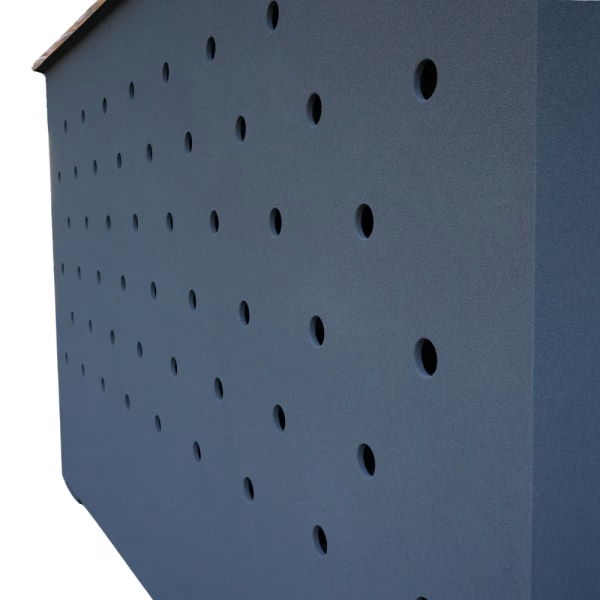
- This mobile sand martin wall is constructed of a beam timber frame covered with 18 mm waterproof concrete plywood. The entire exterior wall is finished with rough stucco to give the wall a sandy appearance. The roof is covered with EPDM rubber.
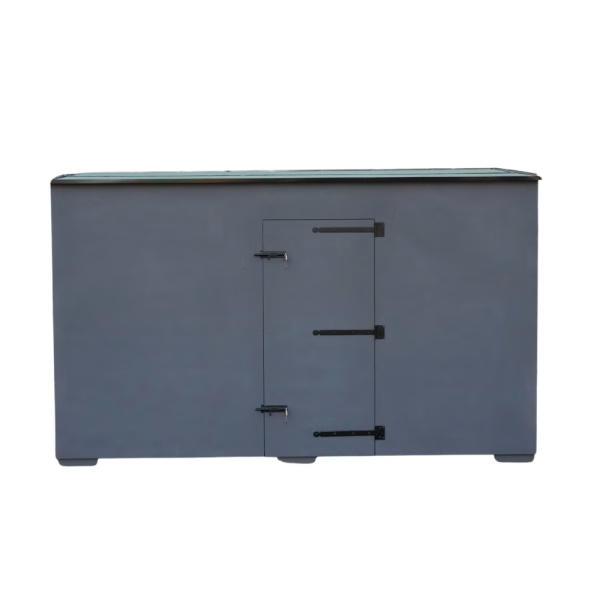
- The wall can be opened through the door at the back. This door is equipped with 2 “sliders” and padlocks.
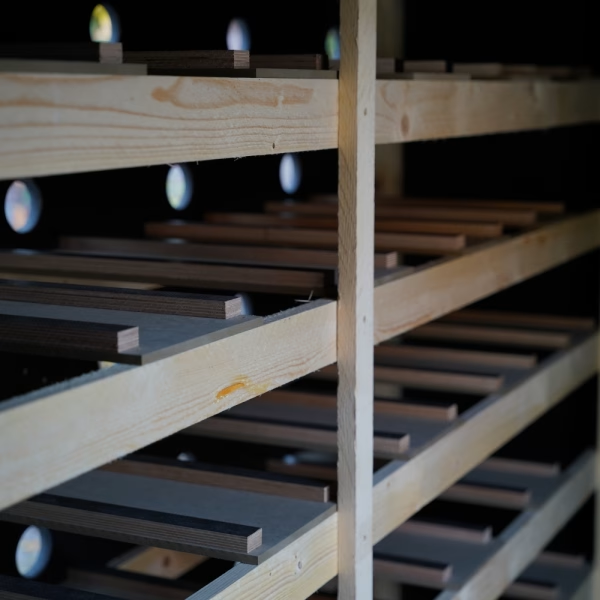
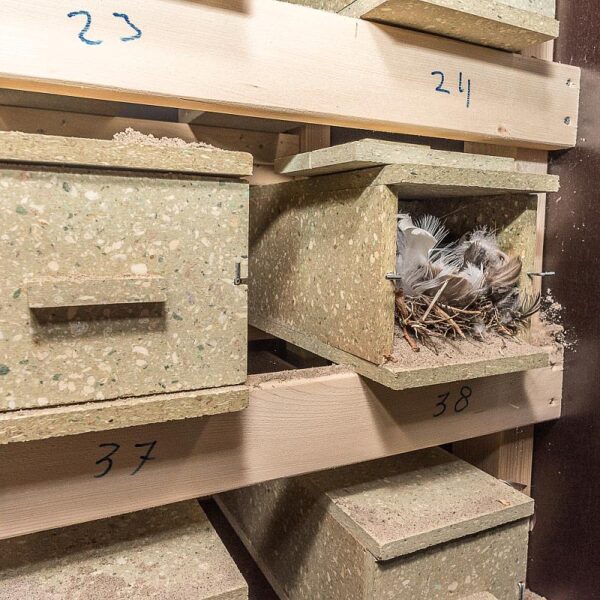
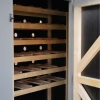
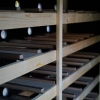
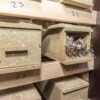
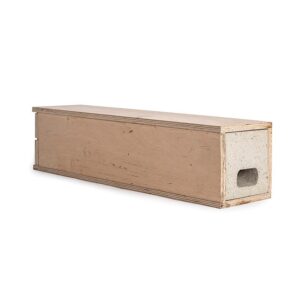
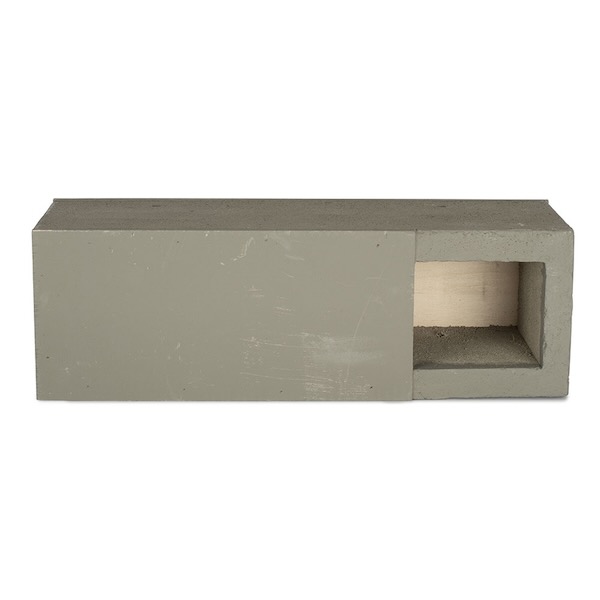
- A scaffold was built in the wall with platforms on which the 51 nest boxes(NK OZ 01) will be placed. These nest boxes are supplied separately. At the back, these nest boxes are easily opened to allow access to the nesting area. Checking the nest boxes should obviously be kept to a minimum to avoid disturbing the sand martins!
- This wall is ideal for research. Ringers can easily access nests to weigh, measure and ring young.
The wall can be installed or moved in-house. If required, we can also provide an offer for this. Contact us for options.
- An ideal location for this wall is along the shore of a large pond, lake, or river.
- Place the wall tightly against the water’s edge.
- Walls can also be installed on larger construction sites where excavation work is taking place to prevent swallows from nesting in the sand piles, which can delay work.
- Most walls are placed on a joist, concrete, or another stable surface, laid level in a stabilized sand bed.
- To prevent predation of the nests, it is recommended to install a live wire around the wall.
- Optionally, we can provide a “protective collar” at an additional cost. This collar is placed just below the nest entrances to deter predators.
Unlike traditional concrete riparian walls, a key advantage of this wall is that it can be installed using a crane, making it reusable in subsequent seasons at different locations.
The wall is essentially maintenance-free. Nest boxes can be cleaned once a year at the end of the season, starting in October. The old nest can be removed by opening the door at the back of the box.